
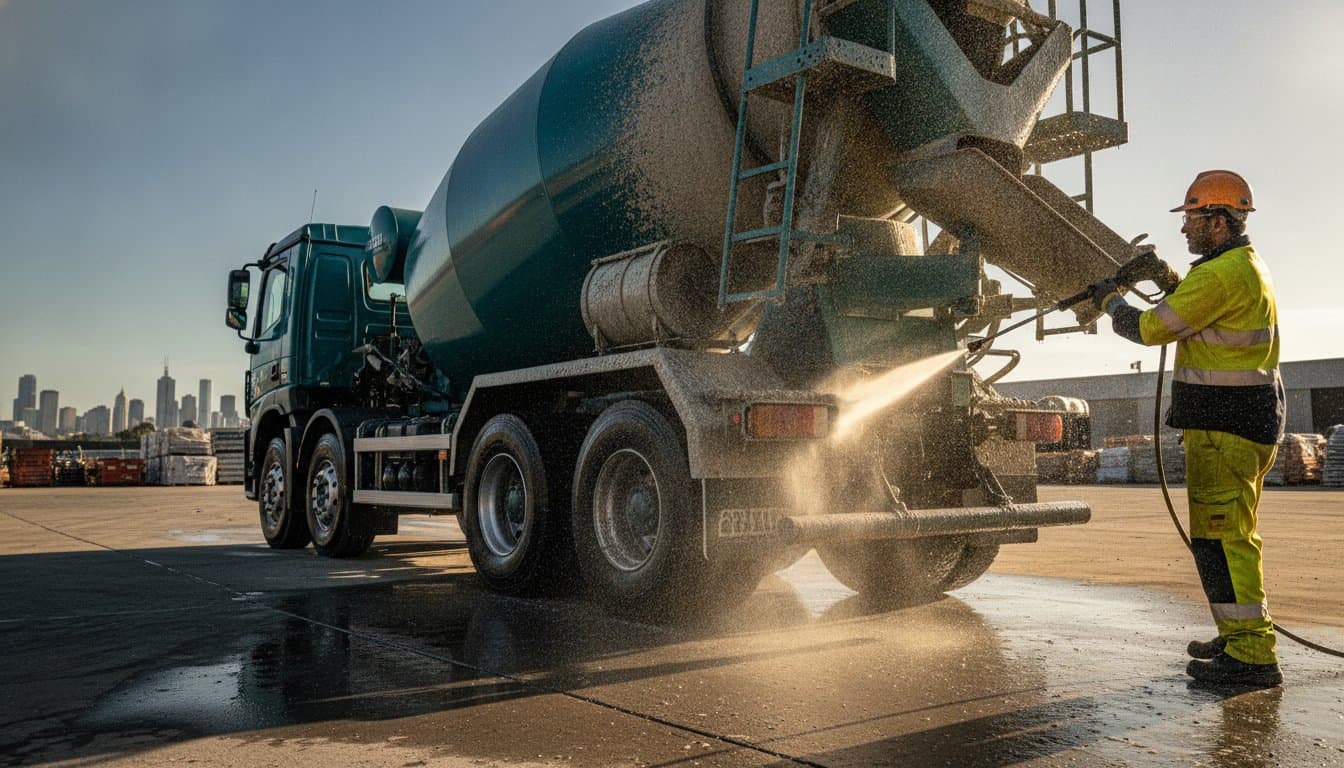
How to Remove Concrete Slurry from Trucks: The Professional 2026 Guide
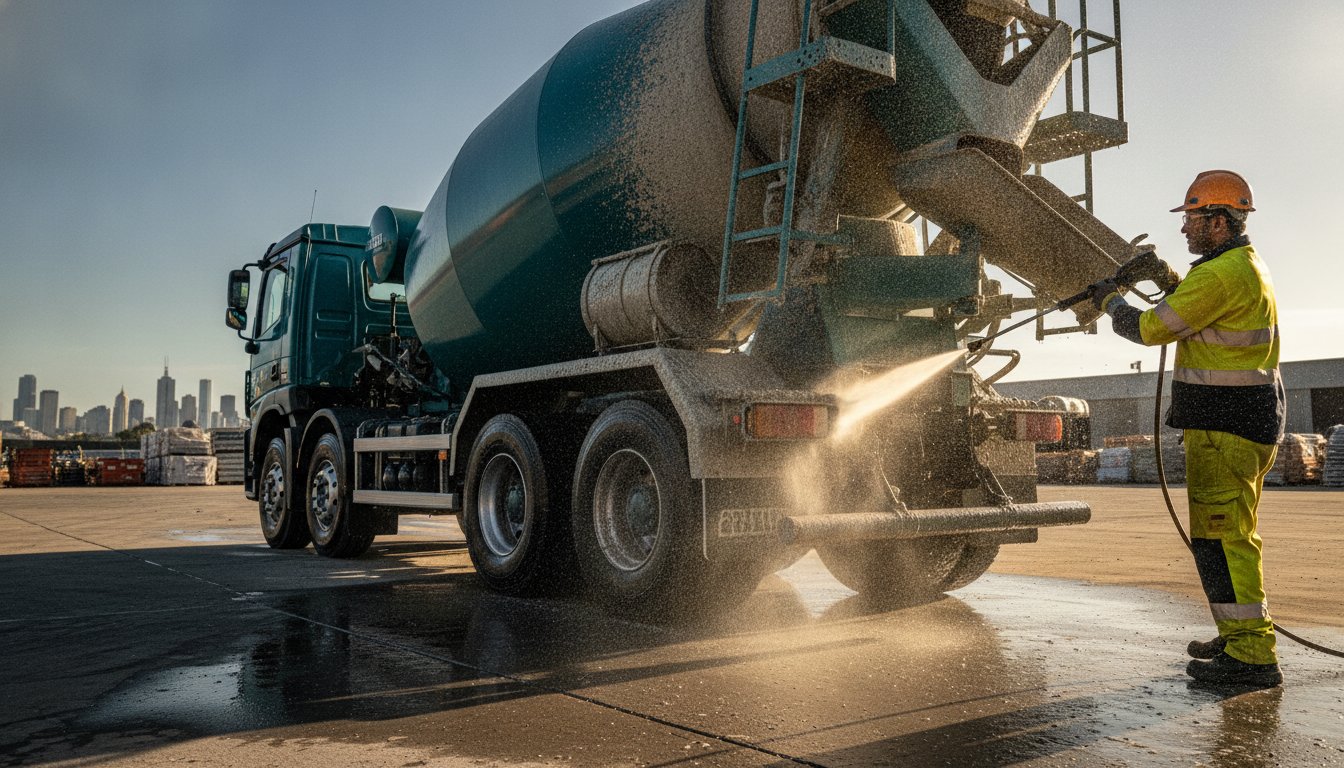
A single day of vehicle downtime can cost your business up to $800 in lost revenue, yet many fleet managers still lose precious hours to manual scrubbing. You understand that hardened concrete is more than just an eyesore; it's a threat to your vehicle's integrity and your company's bottom line. Trying to force it off often results in ruined paintwork, while improper runoff risks severe penalties under EPA Victoria regulations. We're here to help you master how to remove concrete slurry from trucks using sophisticated, non-corrosive methods that prioritize both speed and safety.
Discover the science behind modern dissolvers that melt away buildup without the need for abrasive tools. By choosing professional truck washing services, you ensure your fleet remains a polished reflection of your brand's commitment to quality. This guide explores the latest 2026 industry standards for maintaining a pristine finish while staying fully compliant with environmental laws. We'll walk you through the precise steps to achieve a flawless result with minimal operational disruption, so you can get your assets back on the road where they belong.
Key Takeaways
- Learn the chemical science behind how to remove concrete slurry from trucks without compromising the integrity of your vehicle's paintwork.
- Understand why modern biodegradable dissolvers outperform outdated mechanical methods and harsh acids that can etch high-value surfaces.
- Discover how to maintain full environmental compliance and avoid EPA Victoria fines by managing slurry runoff correctly during the cleaning process.
- Identify the operational benefits of transitioning from manual driver-led scrubbing to professional mobile cleaning that minimizes vehicle downtime.
- Master a systematic, two-step protocol for safely clearing hardened debris while protecting your fleet's professional aesthetic.
Understanding the Impact of Concrete Slurry on Heavy Vehicles
Concrete slurry is a complex chemical byproduct that demands immediate attention. It consists of a highly alkaline mixture of cement, water, and aggregates. When this substance makes contact with your fleet, it initiates a hydration reaction that forms a rigid bond with the substrate. This isn't just a surface stain; it's a structural attachment. Understanding this chemical bond is the first step in learning how to remove concrete slurry from trucks without causing irreversible harm to the vehicle's exterior. The Concrete hydration process continues long after the initial splash, turning a liquid nuisance into a stone-like shell.
The immediate operational risks are significant and often overlooked. Hardened slurry can block radiator fins, leading to engine overheating and expensive mechanical repairs. It interferes with moving parts like door handles, hinges, and mixer components, often causing them to seize. If left untreated, the weight of accumulated material can even impact fuel efficiency and payload capacity. Visibility is another critical concern, as dried splatter on mirrors or windows creates dangerous blind spots for your drivers.
Why Slurry is More Than Just Mud
Slurry is exceptionally caustic, often reaching pH levels of 12 or higher. This high alkalinity makes it chemically aggressive toward the protective layers of your vehicle. Unlike standard mud, slurry contains fine silica particles. These particles act as powerful abrasives if you attempt to scrub them off manually. Without the right approach, you're essentially using liquid sandpaper on your high-value assets. Modern trucks feature sensitive components like plastic trim, rubber seals, and intricate grilles that are particularly vulnerable to this abrasive buildup. Protecting these areas requires a strategy that prioritizes chemical dissolution over physical force.
The Risk of Corrosion and Paint Damage
Cement is naturally hygroscopic, meaning it constantly draws moisture from the surrounding environment. When it cures on your truck, it creates a "cap" that traps moisture directly against the metal. This environment accelerates rust and oxidation, often hiding the damage until the concrete is finally removed. Aluminium fuel tanks and chrome detailing are especially sensitive to high pH levels, which can cause rapid dulling or pitting. Etching is the chemical scarring of the clear coat that occurs when the alkaline mixture eats into the paint's surface. To prevent this permanent disfigurement, many fleet owners rely on professional truck washing services to neutralize the slurry before it compromises the vehicle's finish. Acting quickly ensures your fleet maintains its professional aesthetic and resale value.
Safe Chemical Dissolvers vs. Mechanical Removal Methods
Choosing the right strategy for your fleet determines whether you preserve your asset or accelerate its depreciation. While online forums often suggest hammers, chisels, or harsh muriatic acid, these "brute force" methods are relics of a less sophisticated era. Using mechanical force to chip away at hardened deposits creates microscopic fractures in your paintwork. This leads to "spider-web" cracking, where the paint's structural integrity fails, allowing moisture to seep into the metal substrate. If you want to know how to remove concrete slurry from trucks safely, you must shift from a mechanical mindset to a chemical one.
Traditional acids like hydrochloric or muriatic acid are far too aggressive for modern commercial vehicles. They don't just dissolve concrete; they etch aluminium fuel tanks, dull chrome detailing, and can even damage glass. Instead, professional operators now utilize biodegradable, sugar-based or carboxylic dissolvers. These sophisticated formulas are engineered to be "concrete specific," targeting the calcium silicate bond without reacting with the vehicle's finish. Trusting your fleet to experts ensures you avoid these costly mistakes; feel free to contact us at 042 669 7766 for a professional consultation.
The Role of Biodegradable Concrete Dissolvers
Modern chemicals work by reversing the hydration process. They penetrate the hardened shell and turn it back into a soft, rinseable paste by breaking down the calcium silicate hydrate. The secret to success lies in "dwell time." You must allow the chemical to sit on the surface long enough to do the heavy lifting for you. Unlike old-school acids, these biodegradable options won't eat through your rubber seals or degrade electrical wiring if they sit for an extra few minutes. It's a patient, scientific approach that yields a flawless result without the industrial grit of manual scrubbing.
Why High-Pressure Washing Requires Precision
Once the slurry is softened, high-pressure rinsing completes the process. However, this requires extreme precision. Setting your equipment to an excessive PSI can strip away company decals or force water into sensitive wheel bearings and grease points. This is why many fleet managers opt for professional truck washing services that utilize temperature-controlled systems. Heat is a critical variable; hot water helps break down the residual paste much faster than cold water alone. This ensures a spotless finish without the risk of high-impact damage to your vehicle's delicate components. Maintaining a pristine fleet shouldn't be a source of stress; you can easily book a truck wash that prioritizes your asset's longevity.
DIY Removal vs. Professional Mobile Cleaning Services
Many fleet managers view "cleaning day" as a cost-saving exercise, often assigning drivers to scrub vehicles during downtime. This strategy is frequently a false economy. When you calculate the labour hours spent on manual removal, the high cost of specialized chemicals, and the potential for paint damage, the DIY approach quickly becomes expensive. Drivers lack the training and equipment to master how to remove concrete slurry from trucks efficiently. Instead of focusing on transport logistics, your team is tied up in a task that yields subpar results and risks their safety.
Liability is a significant factor in modern fleet management. Concrete slurry is highly alkaline, and improper handling can lead to chemical burns or respiratory issues from silica dust. If a driver is injured while attempting manual concrete removal, the resulting workers' compensation claims and lost productivity far outweigh the cost of professional intervention. Utilizing on-site machinery washing allows your team to stay focused on their core roles while experts handle the hazardous details. It's a bespoke partnership that prioritizes your staff's wellbeing and your operational efficiency.
Your fleet is a rolling billboard for your business. A truck caked in hardened concrete sends a message of neglect to your clients and the public. This "brand image" cost is difficult to quantify but impossible to ignore. Maintaining a polished, professional appearance through expert detailing preserves your company's reputation for excellence. For immediate assistance with your fleet's presentation, you can reach our team at 042 669 7766.
The Hidden Costs of In-House Cleaning
Downtime is the silent killer of profitability. Industry data shows a single day of a vehicle being out of service can cost between $400 and $800 in lost revenue. DIY cleaning often takes twice as long as professional methods, keeping your assets off the road for extended periods. Furthermore, professional detailing significantly extends the resale value of your trucks by preventing long-term corrosion. We bring the equipment to you, eliminating the need for you to invest in expensive pressure systems or specialized dissolvers that require precise application to be effective.
EPA Victoria Compliance and Environmental Safety
In Melbourne, environmental regulations regarding wash water are strict. You have a legal requirement to capture and treat any runoff that contains alkaline slurry. Letting this wastewater enter storm drains is a violation of the EPA's Clean Water Act and can result in heavy fines. We understand these local standards intimately. Our mobile units are designed for full compliance, ensuring that our industrial cleaning processes protect the local ecosystem. We handle the environmental responsibility so you don't have to worry about regulatory scrutiny or ecological impact.

A Step-by-Step Protocol for Removing Hardened Concrete
Achieving a showroom finish on a working vehicle requires more than just a high-pressure hose. It demands a disciplined, five-step sequence that respects the delicate balance between chemical efficacy and surface integrity. Many operators fail because they rush the process, leading to unnecessary paint damage or incomplete cleaning. By following a professional protocol, you ensure that every trace of debris is cleared without compromising your asset. This systematic approach is the gold standard for how to remove concrete slurry from trucks while maintaining a premium fleet aesthetic.
- Step 1: Dry-Brushing. Use a soft-bristled brush to clear away loose, non-bonded dust and grit. This prevents you from creating an accidental grinding paste once you introduce liquids.
- Step 2: Systematic Application. Apply your specialized concrete dissolver to the affected areas, ensuring even coverage.
- Step 3: The Softening Phase. Monitor the reaction closely. If the buildup is particularly thick, you may need a second application to keep the concrete "active" and prevent it from re-hardening.
- Step 4: Low-Pressure Rinse. Use a high-volume, low-pressure stream to flush away the bulk of the softened paste. This minimizes the risk of blasting grit into the clear coat.
- Step 5: Detailing and Neutralization. Perform a final high-pressure wash followed by a pH-neutralising treatment to stop all chemical activity on the metal surfaces.
Pre-Treatment and Saturation Phase
Temperature control is vital for a successful clean. Never apply dissolvers to a truck that has been baking in the Melbourne sun. If the metal is too hot, the chemicals will evaporate before they can penetrate the calcium silicate bond, leaving behind unsightly streaks. Work in the shade or during the cooler hours of the morning. Always apply your cleaning agents from the bottom up. This prevents "clean streaks" caused by active chemicals running down dry, untreated paint. You'll know the concrete is ready for the first rinse when the hardened shell yields to light pressure from a plastic scraper, feeling like a soft, sandy paste rather than a solid rock.
Safe Agitation and Final Rinse
Intricate areas like wheel arches and chassis rails often trap more slurry than flat panels. For these stubborn sections, use soft-bristled agitation brushes to help the chemical penetrate deeper layers. Once the bulk of the material is gone, your final high-pressure detailing should focus on clearing the residue from seams and bolts. We recommend applying a high-quality protective wax or hydrophobic sealant immediately after the clean. This creates a sacrificial barrier that prevents future slurry from bonding as aggressively to your paintwork. To experience a truly effortless renewal of your fleet, book our professional truck washing services today or call 042 669 7766 to discuss your requirements.
Professional On-Site Slurry Removal with Washify
Your fleet represents your commitment to excellence. Keeping it clean shouldn't be a logistical hurdle that drains your time or budget. Washify brings the solution directly to your location, offering a sophisticated mobile service that operates on your schedule. We specialize in how to remove concrete slurry from trucks using advanced mobile units that arrive fully equipped for the task. By utilizing industrial-grade, eco-friendly dissolvers, we ensure your assets are pristine without damaging the environment or your vehicle's delicate paintwork. We clean while your team rests or preps for the next shift, ensuring your operations never miss a beat.
Our approach is built on technical pride and precision. We don't just wash; we restore. Every member of our team understands the chemical science required to break down hardened deposits safely. This expertise allows us to offer tailored fleet maintenance programmes specifically designed for the high-pressure demands of the construction industry. We handle the details so you can focus on your core business, providing the peace of mind that comes from a bespoke partnership.
Melbourne’s Mobile Solution for Construction Fleets
We serve the entire Greater Melbourne region with unwavering reliability. Whether your project is based in Werribee or Dandenong, our mobile units are ready to deploy to your worksite. We possess the specialized knowledge required to handle complex machinery beyond standard trucks. Our team excels at machinery washing, including intricate crane cleaning and heavy excavator degreasing. Safety is our signature. We maintain rigorous certifications and offer transparent pricing, ensuring you receive a premium service that meets every regulatory standard.
Booking Your Specialised Fleet Maintenance
Transitioning to a professional maintenance schedule is the smartest move for your bottom line. Regular washing stops slurry from ever reaching that "impossible" hardened state, preserving the clear coat and preventing the chemical etching that leads to long-term corrosion. Scheduling is effortless through our digital interface, or you can speak with us directly to customize a plan for your specific fleet size. Don't let hardened concrete compromise your professional image or your asset's resale value. Contact the experts at Washify for a comprehensive quote today. Call us on 042 669 7766 or visit our contact page to secure your booking and experience the effortless renewal of your construction fleet.
Elevate Your Fleet Maintenance Standards
Maintaining a pristine construction fleet is a strategic investment in your company's reputation and asset longevity. You've learned that the secret to how to remove concrete slurry from trucks lies in sophisticated chemical science rather than damaging physical force. By prioritizing pH-neutralizing treatments and biodegradable dissolvers, you protect your paintwork while ensuring your operations remain fully compliant with EPA Victoria regulations. Don't let hardened buildup compromise your professional image or lead to costly repairs and environmental fines.
Our fully mobile, Melbourne-wide service brings industrial-grade expertise directly to your worksite. We utilize specialized, eco-friendly protocols that deliver flawless results without disrupting your project timelines. It's time to trade manual scrubbing for a bespoke partnership that values your time and treats your high-value assets with extreme care. Ready to restore your fleet? Contact Washify on 042 669 7766 for a professional on-site quote. We look forward to helping you keep your business moving forward with a polished, professional finish.
Frequently Asked Questions
Is it safe to use acid to remove concrete from my truck?
Using harsh acids like muriatic or hydrochloric acid is dangerous for modern commercial vehicles. These substances are far too aggressive; they don't just dissolve concrete, they etch aluminium fuel tanks and dull chrome detailing. We recommend using specialized, concrete-specific dissolvers that preserve your vehicle's finish. For a safer approach, consider our professional truck washing services where we use paint-safe, non-corrosive alternatives.
How long does it take to remove hardened concrete slurry professionally?
Professional removal of hardened concrete slurry usually takes between one and three hours per unit. The exact timeframe depends on the thickness of the buildup and the number of layers present. Our specialized equipment and temperature-controlled systems significantly reduce the time your asset spends off the road. This efficiency is a core part of our commitment to minimizing your operational downtime and maximizing your revenue.
Can concrete slurry damage my truck’s engine or radiator?
Concrete slurry poses a major risk to your engine and cooling systems. When it hardens in radiator fins, it blocks essential airflow and leads to rapid engine overheating. It also interferes with moving components like hinges and mixer parts, often causing them to seize entirely. Understanding how to remove concrete slurry from trucks early is vital to avoiding these expensive mechanical failures and keeping your fleet operational.
Does Washify provide on-site cleaning for construction sites in Melbourne?
We provide comprehensive on-site cleaning services for construction sites throughout Greater Melbourne. Our mobile units travel from Werribee to Dandenong, bringing industrial-grade equipment directly to your location. This is the most efficient way to manage how to remove concrete slurry from trucks without moving your fleet. You can easily schedule a visit through our contact page or by calling us on 042 669 7766.
What is the best chemical for dissolving concrete without ruining paint?
Biodegradable, carboxylic or sugar-based dissolvers are the most effective chemicals for removing concrete without ruining paint. These modern formulas target the calcium silicate bond specifically, turning the rock-hard shell into a soft paste. Unlike old-school acids, they won't damage rubber seals or etch the clear coat. We utilize these high-end treatments to ensure your high-value assets receive the meticulous care they deserve.
Will insurance cover damage caused by concrete slurry buildup?
Most insurance policies do not cover damage caused by concrete slurry buildup because they view it as a maintenance responsibility. If the slurry etches your paint or causes corrosion over time, the repair costs usually fall on the owner. Regular fleet cleaning is your best defense against these avoidable expenses. It preserves the resale value of your trucks and keeps your professional image intact.
How do I prevent concrete from sticking to my truck in the future?
Applying a professional-grade protective wax or hydrophobic sealant is the most effective way to prevent future bonding. These treatments create a sacrificial barrier that stops wet slurry from making direct contact with your paintwork. This makes future cleaning much faster and safer. We include these protective steps in our tailored fleet maintenance programmes to ensure your vehicles stay cleaner for longer.
Are Washify’s cleaning chemicals safe for the environment?
Our cleaning chemicals are entirely safe for the environment and fully compliant with EPA Victoria standards. We strictly use non-corrosive, biodegradable formulas that won't harm local ecosystems. Our mobile units are designed to manage runoff responsibly, ensuring your business stays on the right side of the law. You can trust us to handle the environmental details while delivering a flawless, professional finish for your fleet.