
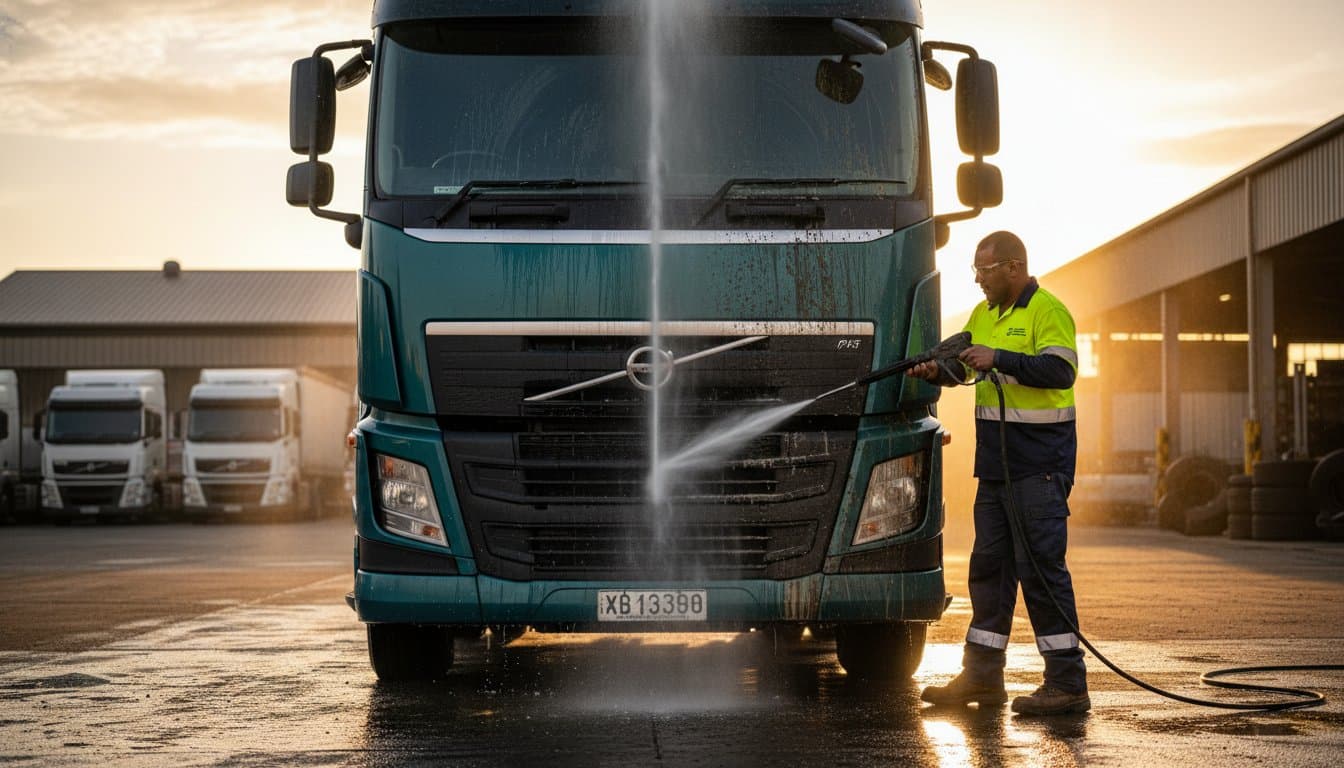
How Often Should You Wash a Truck Fleet? The 2026 Fleet Manager’s Guide
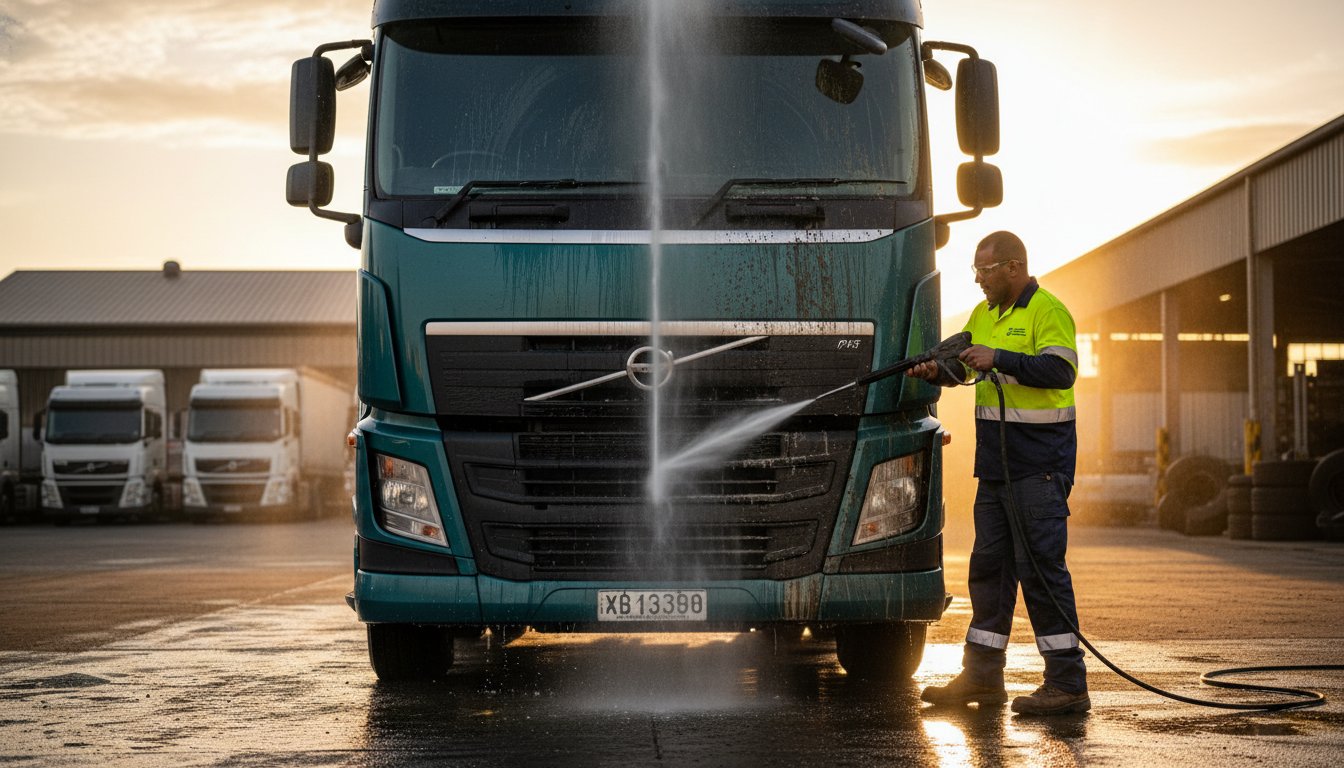
What if the most expensive part of your maintenance schedule is the grime you can't see? You already understand that a clean fleet is a productive one, but balancing aesthetic precision with tight operational windows is a delicate art. Deciding how often should you wash a truck fleet is a critical calculation for any Melbourne manager looking to eliminate premature corrosion and maintain a premium brand image. It's about moving beyond simple aesthetics to embrace a proactive strategy that protects your high-value assets from the harsh realities of Victoria's roads.
You need a schedule that protects your investment without sacrificing uptime. This guide provides a clear roadmap for 2026, detailing why food transport requires weekly care while long-haul fleets often thrive on a monthly cycle. We'll help you secure a professional brand representation through our professional truck washing services. Our team treats your vehicles with meticulous care, ensuring every unit remains a polished, compliant asset for your business. To discuss a bespoke partnership for your fleet, call us on 042 669 7766 or visit our contact page today.
Key Takeaways
- Establish an industry baseline of a professional wash every one to two weeks to preserve your fleet’s lifespan and maintain a premium brand image.
- Tailor your cleaning schedule to specific sector demands, balancing daily safety-critical rinses for construction with weekly deep cleans for logistics.
- Discover how determining exactly how often should you wash a truck fleet can streamline mechanical inspections and prevent fire hazards through expert degreasing.
- Adapt your maintenance routine to Victoria’s seasonal shifts, protecting your high-value assets from winter road grime and summer dust.
- Optimise your operational efficiency by utilizing mobile fleet cleaning services that eliminate downtime by arriving directly at your depot or job site.
Determining the Ideal Frequency for Your Truck Fleet Wash
Efficiency is the heartbeat of your operations. When you are managing high-value assets, the question isn't just about looking good; it's about survival. Determining how often should you wash a truck fleet requires a balance between operational uptime and asset protection. For most commercial operations in Melbourne, a professional wash every one to two weeks serves as the gold standard. This frequency ensures that road grime, industrial fallout, and coastal salt don't have the opportunity to settle and cause permanent damage. Effective Fleet management incorporates these cleaning cycles to extend vehicle life and ensure every unit remains a proud representative of your brand.
The Baseline: The Fortnightly Rule
Fourteen days is a critical threshold for any commercial vehicle. Beyond this point, the chemical bond between Melbourne road film and your truck's paintwork becomes significantly harder to break. Our variable weather, from sudden bayside downpours to scorching northern heat, accelerates this bonding process. Melbourne's unique geographical position means your vehicles face a cocktail of challenges; coastal salt from the bay can be just as damaging as the fine dust found in our industrial corridors. A fortnightly schedule typically aligns with standard maintenance software cycles, making it easy to integrate into your existing workflow. By committing to this rhythm, you ensure that your professional truck washing services are working with you, not against a buildup of neglected debris.
Visual Appearance vs. Structural Integrity
Don't let a shiny cabin fool you. The real danger often hides where the sun doesn't shine. While a quick rinse might make a vehicle look "clean enough" to the untrained eye, ignoring the chassis and underbody invites disaster. Understanding exactly how often should you wash a truck fleet allows you to transition from reactive repairs to proactive care. Corrosive buildup from Melbourne’s industrial zones can eat through structural components long before you notice a mechanical failure. Similarly, external physical hazards like low-hanging branches at your depot can cause costly body damage; to ensure your site is safely maintained, you can learn more about We Love Trees and their professional tree trimming services.
Fleet washing is a preventative maintenance tool for asset longevity that pays for itself by preventing premature depreciation. Removing heavy grease and dirt also acts as a preliminary inspection. It's much easier for your mechanics to spot a hydraulic leak or a hairline fracture on a surface that has been meticulously cleaned. A clean engine bay isn't just about pride; it's about fire prevention. Road grime mixed with oil creates a flammable sludge that can ignite under high operating temperatures. For those operating heavy equipment, regular heavy machinery cleaning is non-negotiable for safety. If you're ready to protect your fleet, call us on 042 669 7766 to discuss a tailored schedule.
Key Factors Influencing Your Fleet Cleaning Schedule
Industry-Specific Requirements
Different sectors demand different standards. Heavy machinery and excavators often require weekly degreasing to ensure heat dissipation and prevent fire hazards. In contrast, food and beverage transport must adhere to strict hygiene standards to prevent cross-contamination. These regulatory cleaning frequencies aren't just suggestions. They are often essential to meet EPA regulations regarding equipment cleaning and wastewater management. For logistics providers, investing in professional truck washing services ensures you stay compliant while maintaining a flawless brand image. Our team understands these nuances, providing the technical precision required for high-stakes industries.
Melbourne’s Microclimates and Seasonal Hazards
Victoria’s weather is famously unpredictable. Managing a fleet here means dealing with the reality of four seasons in one day. During winter, road spray contains higher concentrations of corrosive elements that stick to the chassis. In summer, the Western Suburbs often experience significant industrial dust that can clog filters and obscure visibility. High-pressure intervention becomes essential during these peaks to maintain mechanical efficiency. If your trucks frequently traverse coastal routes, the salt air accelerates oxidation on exposed metal surfaces. Adjusting your schedule based on these microclimates protects your assets from premature aging and keeps your fleet looking renewed.
There is also a direct correlation between vehicle condition and driver behavior. A driver behind the wheel of a pristine prime mover is more likely to uphold professional standards than one in a grime-covered cab. Cleanliness also impacts safety. Obscured lights or dirty mirrors increase the risk of incidents on the road. Maintaining a regular fleet cleaning schedule shows your team that you value their safety and the company’s reputation. If you're ready to elevate your brand's presence on the road, the experts at Washify can help you build a bespoke plan. Contact us at 042 669 7766 to discuss your requirements today.
Beyond Aesthetics: The Maintenance and ROI of Regular Washing
Identifying Hidden Mechanical Issues
Thick layers of grease and road debris act as a mask for mechanical fatigue. When your equipment is caked in sludge, spotting a hairline crack in a chassis rail or a weeping hydraulic seal is nearly impossible. Regular machinery washing and degreasing strips away these barriers, exposing the true condition of your high-value assets. This level of cleanliness is essential for effective heat management. Radiators and oil coolers choked with dust and grease cannot breathe, leading to elevated operating temperatures and premature engine wear. Adopting Fleet Maintenance Best Practices ensures that your cooling systems remain efficient, directly impacting your fuel economy and engine longevity.
Regulatory Compliance and RWC Readiness
In Victoria, a dirty chassis is more than an eyesore; it's a liability. One of the most common reasons for failing a Victorian Roadworthy Certificate (RWC) test is excessive grease and dirt that prevents a thorough inspection of steering and suspension components. Inspectors need clear visibility to verify the integrity of every bolt and bush. Beyond the chassis, maintaining safety standards for lights, reflectors, and mirrors is a daily compliance requirement. Our specialized Melbourne roadworthy cleaning service is designed to meet these exact regulatory hurdles, ensuring your vehicles pass inspections without unnecessary delays.

Industry Standards: Recommended Schedules by Vehicle Type
- Logistics and Prime Movers: Weekly to fortnightly. This rhythm balances brand consistency with effective grime control, preventing road film from dulling your paintwork.
- Construction and Earthmoving: Daily rinses for safety-critical components; weekly for full deep cleans. Removing abrasive soil is essential for mechanical longevity.
- Waste Management: Weekly sanitisation and high-pressure degreasing. Hygiene is a non-negotiable requirement for these specialised vehicles to manage odours and bacteria; furthermore, businesses in this sector can discover Tired Tyres for efficient scrap tire and industrial rubber disposal.
- Delivery Vans and Last-Mile Fleets: Fortnightly to monthly. The frequency here is often dictated by your branding needs and the level of residential customer interaction.
Heavy Machinery and Cranes
Precision equipment requires a higher level of technical execution. For cranes, regular cleaning is vital to prevent old grease and grit from building up on booms and sliding surfaces, which can lead to increased friction and wear. Excavators and tracked machinery require frequent undercarriage clearing to prevent soil from compacting around rollers and idlers. Neglecting these areas leads to premature component failure and expensive repairs. You can explore our insights on industrial cleaning in Melbourne to see how these standards apply to heavy industry. Consistent machinery washing is an investment in your equipment’s operational life.
Public-Facing Delivery Fleets
Maintaining these standards doesn't have to disrupt your workflow. If you are ready to implement a professional schedule that protects your reputation, call our team on 042 669 7766. We provide professional truck washing services tailored to your specific fleet requirements, ensuring every vehicle you own remains a polished asset. Contact us today to secure a bespoke partnership for your business.
Optimising Your Operations with Washify’s Melbourne Mobile Fleet Services
Our commitment to technical excellence extends to our environmental responsibility. We utilise eco-friendly, industrial-grade cleaning agents that comply with Melbourne’s strict environmental regulations. This means you receive a meticulous deep clean without the risk of regulatory fines or ecological impact. By choosing a partner who understands the local landscape, you gain the peace of mind that comes from employing experts who treat your high-value assets with extreme care. You focus on your core business; we handle the grime.
Maintaining a professional standard across all areas of your operation, including your physical premises, is just as important as fleet cleanliness. To find vetted professionals for these tasks, Cleaner Connect provides a reliable directory to help businesses connect with trusted local cleaners.
In addition to facility maintenance, keeping your administrative and warehouse supplies clearly identified is a key component of operational efficiency; for logistics managers, DymoOnline provides the professional labeling tools needed to keep everything in its place.
The Mobile Advantage for Fleet Managers
On-site washing is a strategic decision that pays dividends in driver wages and fuel savings. When you don't have to coordinate fleet movements to a third-party site, you reclaim hours of productive time every week. We offer flexible scheduling, including after-hours and weekend slots, to ensure your fleet is pristine and ready for Monday morning. This bespoke approach allows you to maintain a high-end brand image without disrupting your delivery windows. You can learn more about our Melbourne team and our dedication to providing a polished, premium aesthetic for every client we serve.
Start Your Professional Maintenance Programme
Establishing a recurring fleet cleaning contract with us is a straightforward, transparent process. We design maintenance programmes around your specific operational schedule, whether you require weekly sanitisation or fortnightly detailing. Our reporting is clear and consistent, providing you with a defensible record of care for every vehicle in your fleet. This level of organization is what separates a standard service provider from a true bespoke partnership.
Don't let a dirty fleet compromise your professional authority or asset longevity. Our team is ready to provide the precision results your business deserves. Contact us today or call the Washify experts directly on 042 669 7766 to discuss your fleet needs and receive a custom quote. Let us help you project an image of quiet confidence and unwavering reliability on Victoria’s roads.
Secure Your Fleet’s Future on Melbourne Roads
A holistic approach to fleet management also considers the health and wellbeing of the people behind the wheel. To explore how on-site support can extend to your staff's physical health, you can learn more about Bio Health Prosperity Wellness and their mobile allied health solutions.
Get a tailored fleet washing schedule for your Melbourne business by contacting our experts today. Call 042 669 7766 for immediate booking and let us help you maintain a polished, professional presence across Victoria. Your fleet deserves the highest standard of care.
Frequently Asked Questions
How often should a truck fleet be washed professionally?
Most commercial fleets require a professional wash every one to two weeks to maintain structural integrity and brand standards. When you are determining how often should you wash a truck fleet, consider your specific sector; food transport and waste management often demand weekly sanitisation, while long-haul logistics can sometimes extend to a fortnightly cycle. Consistent cleaning prevents road film from bonding permanently to your paintwork.
Does regular pressure washing damage truck paint or decals?
What are the environmental regulations for fleet washing in Melbourne?
Melbourne businesses must comply with strict EPA Victoria guidelines regarding wastewater and industrial runoff. Our mobile service is designed to be ecologically responsible, utilizing biodegradable cleaning agents and ensuring that wash water doesn't enter local storm drains. We handle these technical details so you can maintain compliance without adding complexity to your daily operations.
Can professional fleet washing help my trucks pass a Roadworthy Certificate (RWC) test?
Yes, a clean chassis is a prerequisite for a successful RWC inspection in Victoria. Inspectors need clear visibility to verify the safety of steering, suspension, and structural components. Removing heavy grease and road debris ensures that your vehicle meets these regulatory standards and avoids unnecessary failures due to obscured mechanical parts.
Is mobile fleet washing more expensive than using a fixed truck wash bay?
Mobile washing is often more cost-effective when you calculate the total cost of ownership. While a fixed bay might have a lower per-wash price, it forces you to pay for driver wages, fuel, and vehicle wear during transit. Our on-site service eliminates this downtime, allowing your team to stay productive while we treat your high-value assets at your own depot.
How long does it take to wash a standard prime mover on-site?
A professional exterior wash for a standard prime mover typically takes between 30 and 60 minutes. This timeframe allows our team to perform a thorough cleaning of the cabin, chassis, and wheels with meticulous care. Our efficient operational model is designed to mirror the fast-paced nature of modern logistics, ensuring your fleet is ready for the road with minimal delay.
What industries require the most frequent fleet cleaning schedules?
How does degreasing differ from a standard fleet wash?
Degreasing is a specialised technical process that targets heavy oil and sludge buildup on mechanical components. While a standard wash focuses on the aesthetic and protective aspects of the exterior, degreasing is essential for engine heat management and early leak detection. It's a critical maintenance step that prevents fire hazards and facilitates more accurate mechanical inspections.